Shaped by the Vineyard, Guided by Experience
Over three decades, we’ve learned that the best wines come from knowing when to step in and when to step back. Our approach isn’t about following a formula; it’s about responding to what each site is trying to say, then translating that into wines with the clarity, texture, and age-worthiness that have become our signature.
We work with restraint because we’ve learned to trust our farming and our cellar work. The wines reveal themselves when they’re ready — never rushed, never forced.
Tradition Meets Cutting Edge
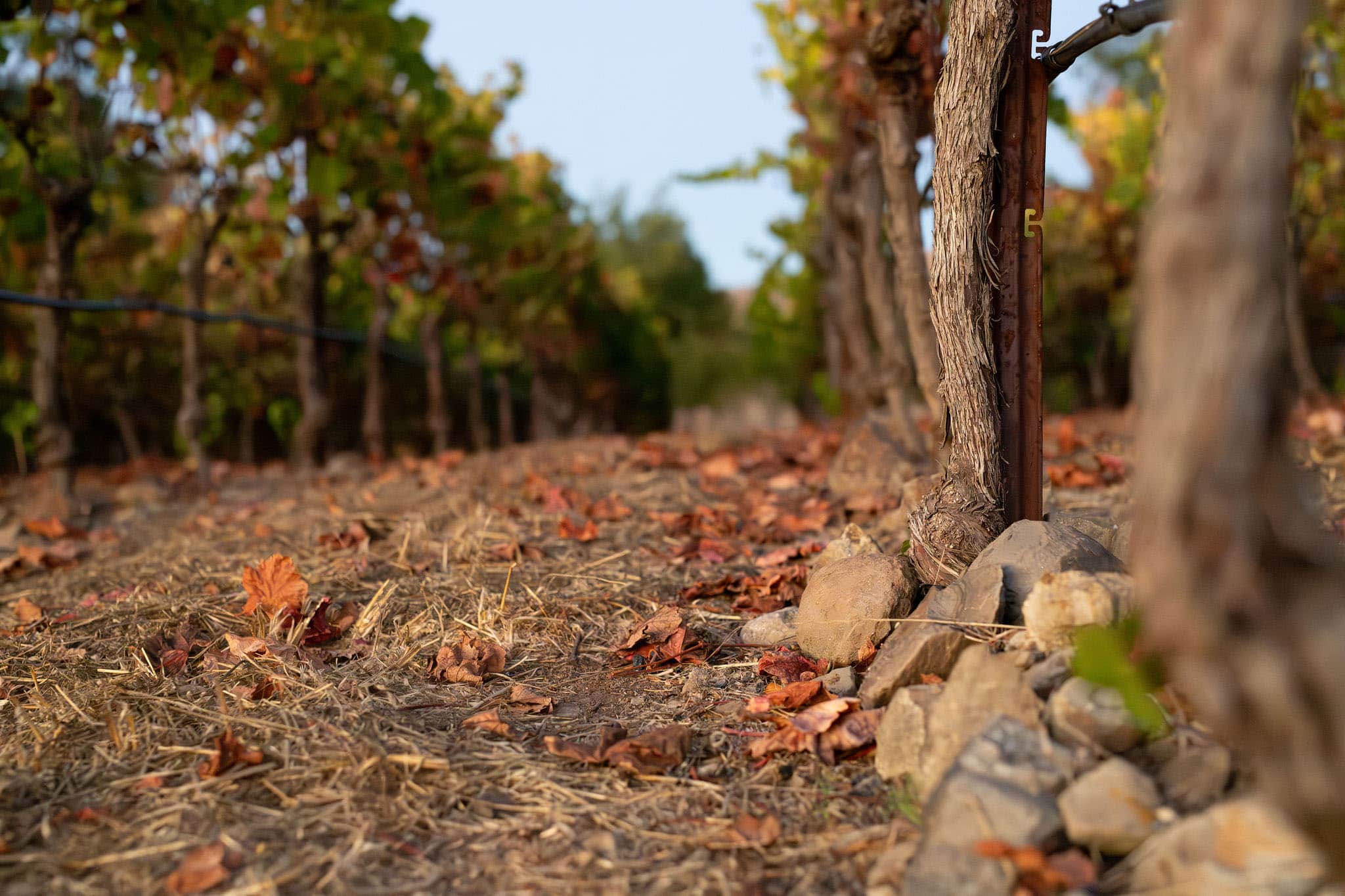
We apply both time-honored techniques and modern precision with discernment. For Pinot Noir, we’ve developed our own proprietary “punch-over” device that combines the best of traditional punch-down and pump-over methods, extracting color and flavor without damaging the fruit. Our custom barrel program reflects the same philosophy: we work directly with François Frères and Seguin Moreau cooperages in Burgundy, where stave wood is air-dried and seasoned for three years to our exact specifications. Not because tradition demands it, but because we’ve learned that patience at every stage creates the kind of structure and flavor profile that lets each vineyard’s voice come through clearly.
Our winemaking approach has been refined over decades to do one thing well: reveal the distinct identity of the legendary sites we work with.
Chardonnay: Meticulous From the Start
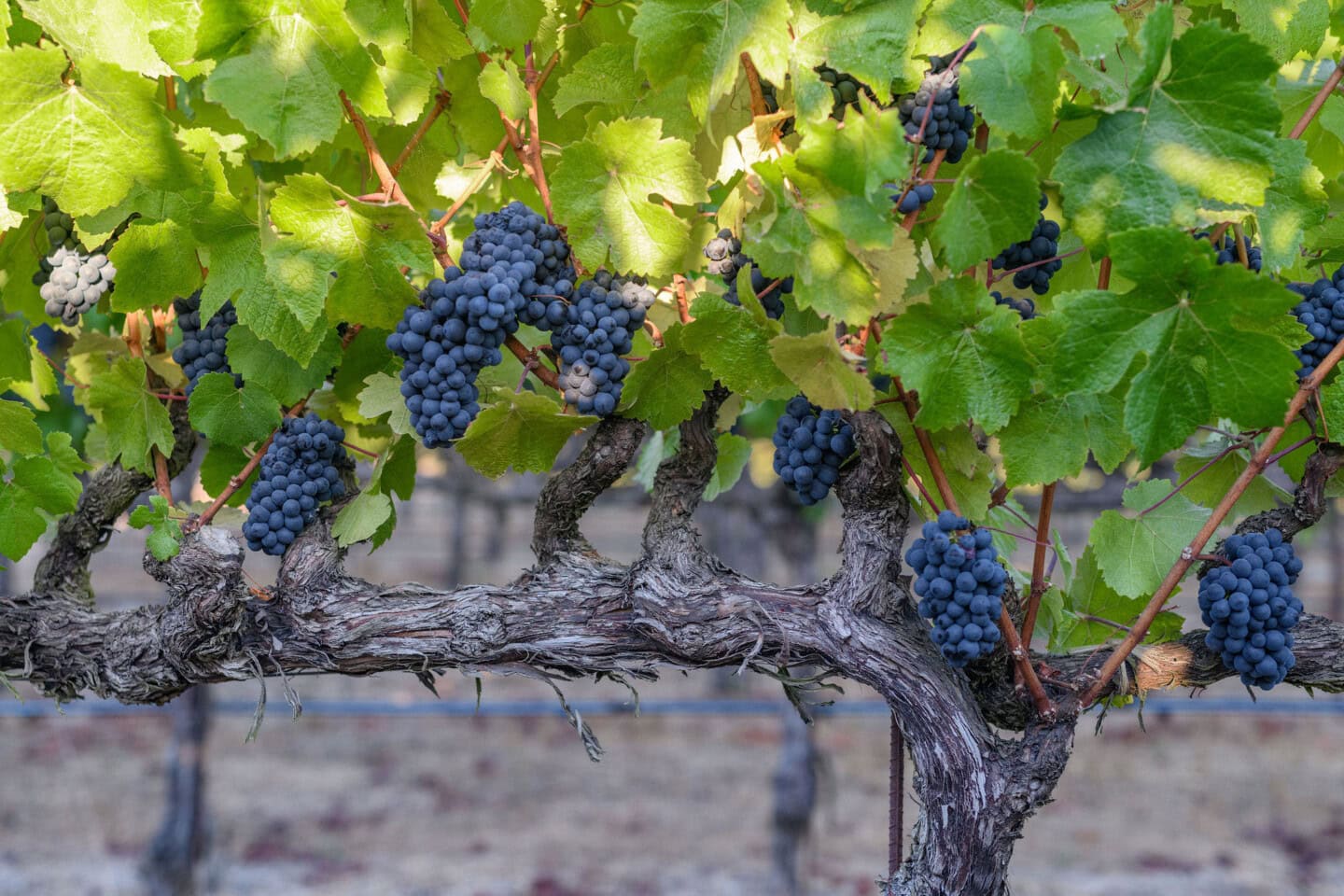
Our grapes are hand-harvested in the cool of the early morning and immediately sorted in the field.
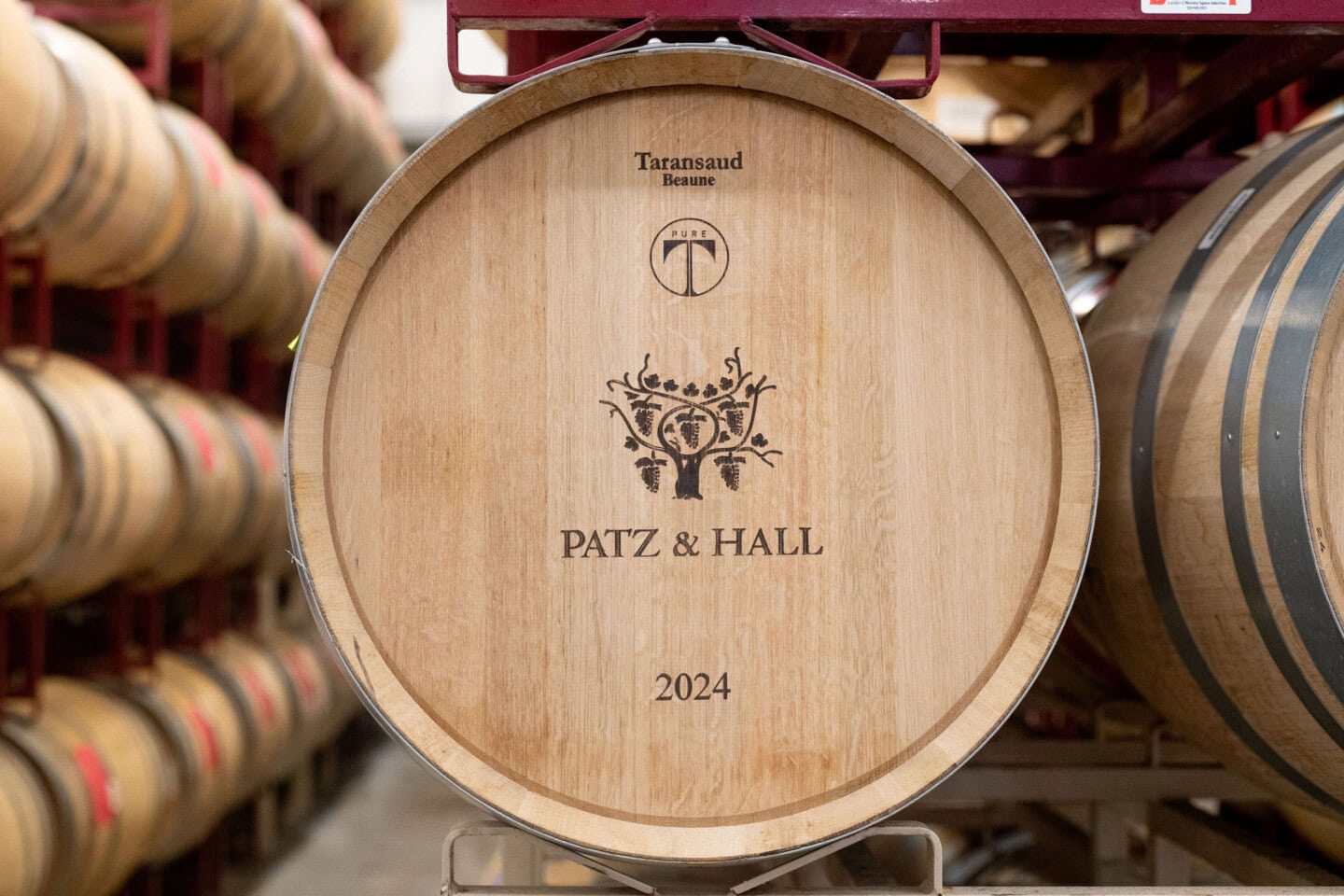
Leaves, imperfect fruit and under-ripe clusters are discarded. These hand-harvested and selected grapes are taken to the winery, where they are meticulously sorted again. The remaining fruit is immediately “whole cluster” pressed. This process produces juice containing very little tannin and preserves the delicate aromatics and full flavors of the Chardonnay fruit. While we end up with less wine this way, the quality and age-worthiness make it worth it.
After pressing, the juice, with all of the lees, is racked into 100 percent French oak barrels, where, after several days, it begins to ferment. The barrel fermentations typically progress very slowly, often finishing in early winter. This extended fermentation gives rise to wines with great depth of flavor and roundness. During this period, the wines are stirred weekly to extract the toasty, roasted aromas from the grape solids and yeast remaining in the barrel. At the same time, we top the barrels weekly to protect the wines from oxidation. All Patz & Hall Chardonnays undergo malolactic fermentation and then develop in barrel for eleven months before being bottled without filtration. The yeast particles that remain further guard the wines from oxidation, so they continue to age favorably in bottle. Gently transferred from barrel to bottle, these unfiltered wines are delicious upon release and continue to evolve in bottle over time.
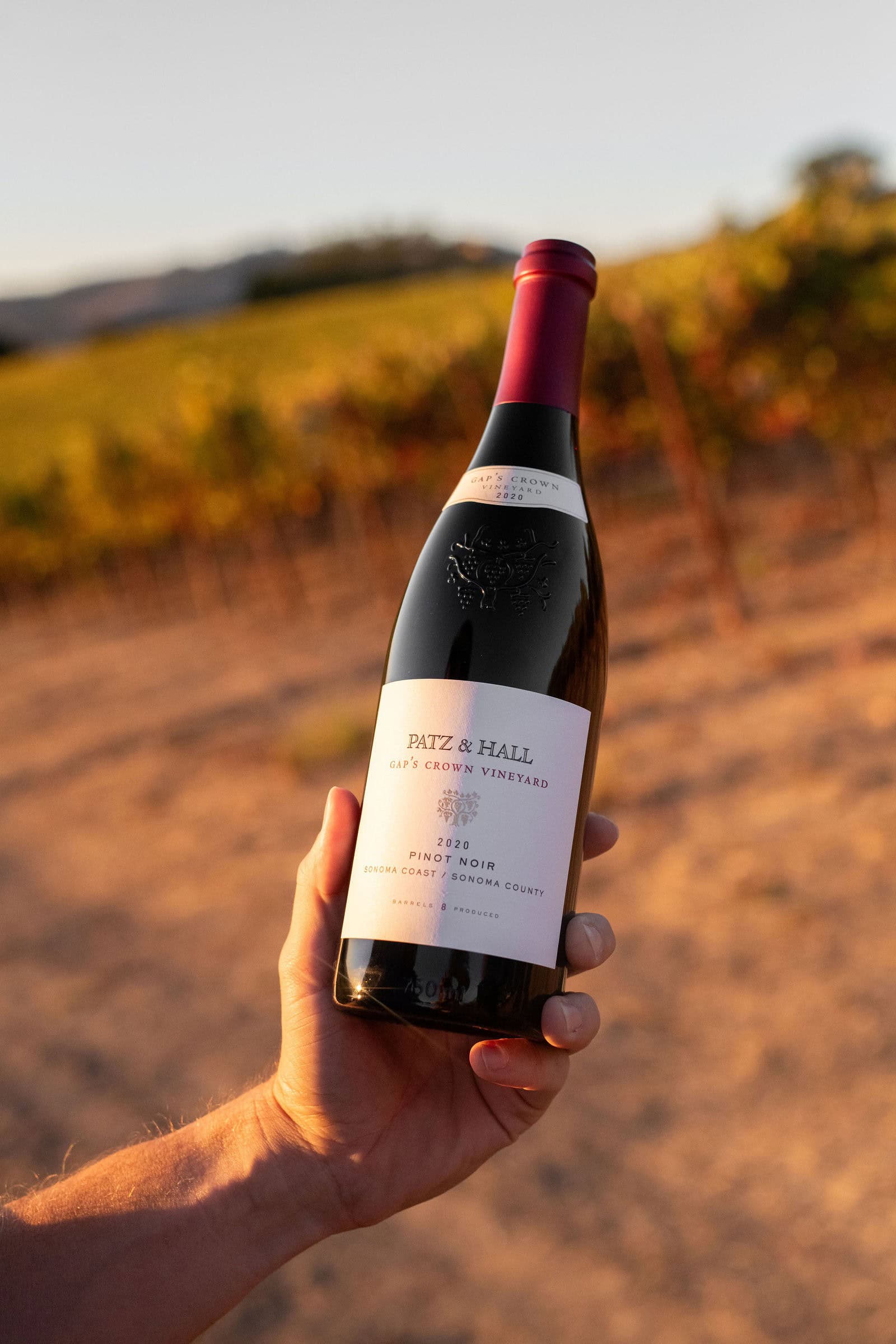
Pinot Noir: Gentle, Yet Decisive Handling
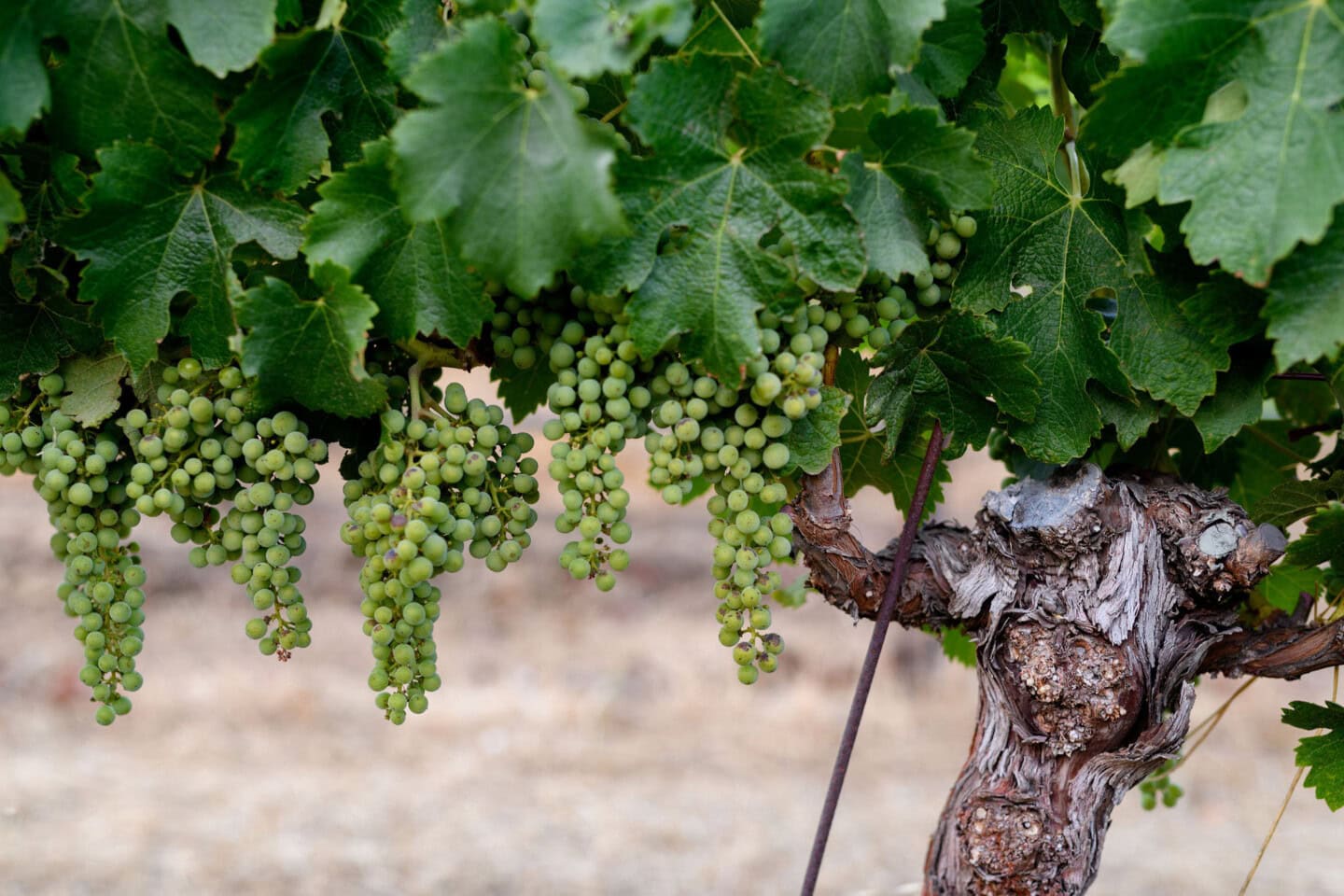
After hand picking, the grapes are sorted both in the vineyard and at the winery. The small vineyard lots are put into open-topped fermenters designed specifically for Pinot Noir. We let the fermentation begin slowly in the cool conditions under which the fruit arrives at the winery.
Depending on site and vintage, our Pinot Noirs are often produced using whole cluster additions, with up to 10% of the clusters going directly into specially designed fermenters with no de-stemming or crushing at all. The remaining grapes are carefully de-stemmed. In this way, we allow the intricate fruit flavors and aromas of Pinot Noir to begin developing during fermentation. To further extract color and flavor components, we use a proprietary “punch-over” device to thoroughly break up the cap two to three times per day. Then, when fermentation is complete, we empty the tank with care to capture the free run juice.
The new wine is racked into French oak barrels where it undergoes malolactic fermentation. Oak is an important component of the finished wine, but must not overwhelm the delicately layered flavors and aromas we work so diligently to create. The percentage of new barrels varies between 50 and 70 percent and is arrived at with great deliberation.
We love making Pinot Noir. Perhaps no other wine expresses such a range of flavors—from fresh ripe berries and cherries to intriguing earthy, meaty flavors and dozens in between, all depending on the vineyard, the grower and the clone.